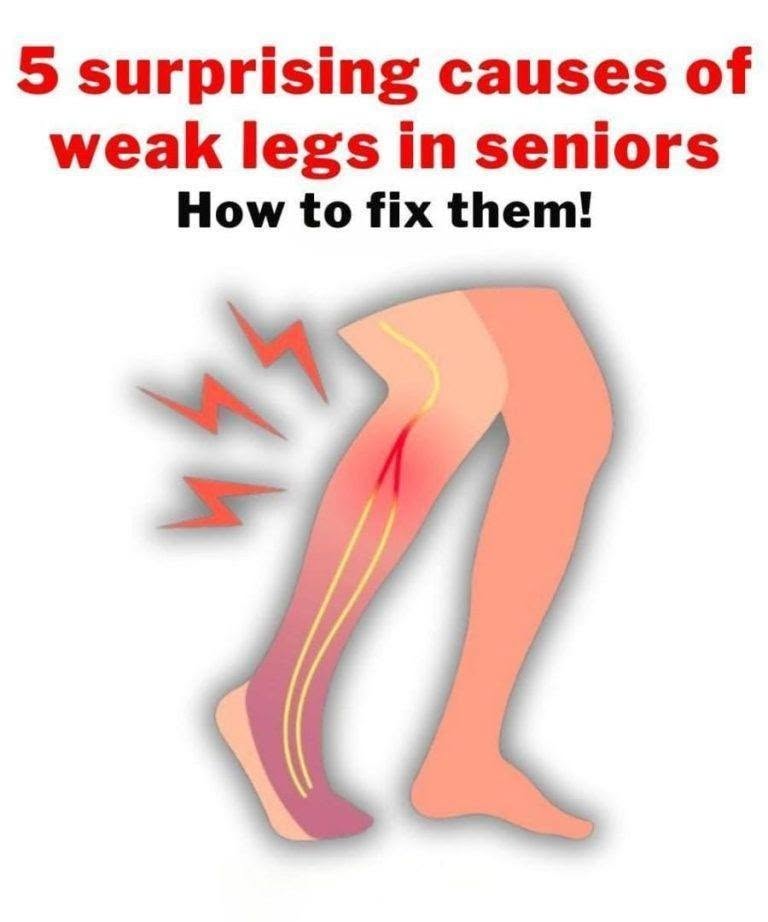
5 surprising causes of weak legs in seniors—and how to fix them! see the recipe in the first comment.

3. Medication Side Effects

Some medications may contribute to muscle aches, fatigue, cramps, or weakness in certain people. The effects can vary depending on the medication, dose, other health conditions, and individual response.

Examples that may sometimes contribute to these symptoms include:

  • Statins: Some people experience muscle-related symptoms while taking cholesterol-lowering medications.
  • Diuretics: These medications can affect fluid and electrolyte levels, which may contribute to cramps or weakness in some cases.
  • Beta-blockers: Some people may experience fatigue or reduced exercise tolerance.

What may help:

  • Review all medications, supplements, and recent changes with a doctor or pharmacist.
  • Do not stop prescription medication without medical advice.
  • Ask whether a medication or interaction could be contributing to new symptoms.
  • A healthcare professional may recommend monitoring, dose adjustments, or alternative treatments when appropriate.

4. Spinal Stenosis or Nerve Compression

Weakness, numbness, tingling, or heaviness in the legs may sometimes originate from the lower back rather than from the leg muscles themselves.

A possible clue is that symptoms become worse during prolonged standing or walking and improve when sitting or leaning forward. However, these symptoms can overlap with other conditions, so proper evaluation is important.

What may help:

  • Seek medical evaluation if nerve compression or spinal problems are suspected.
  • Imaging tests such as MRI or CT scans may be considered when clinically appropriate.
  • Physical therapy and exercises designed for the individual’s condition may help improve mobility and function.
  • For more severe cases, a specialist may discuss additional treatment options, which can include injections or surgery in selected situations.

Persistent weakness, numbness, difficulty walking, or worsening symptoms should not simply be assumed to be part of aging.

5. Low Physical Activity and Inadequate Protein Intake

Muscle mass and strength can gradually decline with age, particularly when physical activity decreases. Reduced movement can create a cycle in which muscle weakness makes activity more difficult, leading to further loss of strength and mobility.

Inadequate protein intake may also contribute to difficulty maintaining muscle mass, although individual protein needs vary depending on age, body size, activity level, kidney function, and other health factors.

What may help:

  • Stay physically active within your abilities and medical recommendations.
  • Include strength and balance exercises when appropriate.
  • Discuss an appropriate activity plan with a healthcare professional or qualified fitness professional.
  • Include protein-rich foods such as yogurt, eggs, fish, poultry, beans, lentils, and other suitable options.
  • If appetite or dietary intake is low, ask a healthcare professional or registered dietitian whether nutritional support is appropriate.

Regular movement and adequate nutrition can help support muscle strength, but there is no single approach that works for everyone.

Understanding the possible cause of leg weakness is important, because the safest next step depends on whether the problem involves muscles, nerves, circulation, nutrition, medication, or another medical condition.

There’s more to discover. Continue to the next page for the rest of this article.