Does Sleeping in a Certain Position Cause This?
The title associated with the image begins with:
“ATTENTION: These Are the Consequences of Sleeping With…”
But the phrase is incomplete.
More importantly, there is no basis for concluding from this image that a normal sleeping position causes a destructive bone lesion or bone cancer.
Sleeping position can affect temporary pressure, stiffness, numbness, or discomfort in some people.
For example, sleeping with a knee bent for a long time may leave the joint feeling stiff when you wake up.
But that is completely different from saying a sleeping position destroys bone or produces cancer.
People should be cautious with social-media health headlines that connect a common habit directly to a severe disease without evidence.
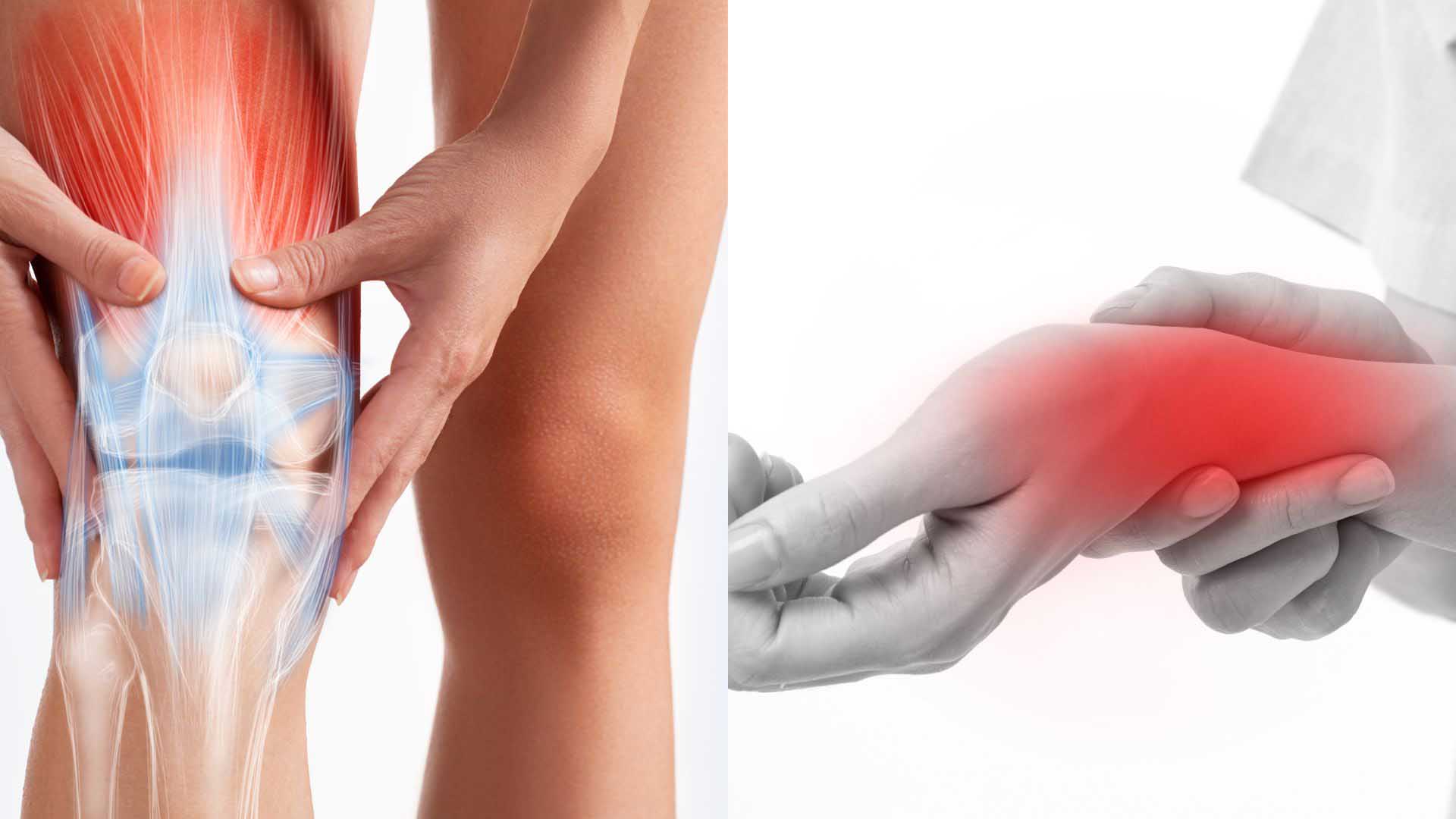
What About Osteoarthritis?
Osteoarthritis is much more common than bone cancer and is an important cause of knee problems.
It develops when the structures within a joint gradually change, including loss or deterioration of cartilage.
People may experience:
- Knee pain during activity
- Stiffness
- Reduced range of motion
- Swelling
- Grinding or clicking sensations
Over time, the bone surfaces can change as the joint degenerates.
However, an osteoarthritic knee does not look identical to the dramatic lesion shown in this illustration.
This is another reason not to assume that every unusual-looking knee image represents the most common cause of knee pain.
Injuries Can Also Produce Dramatic Changes
A serious injury can damage bones, cartilage, ligaments, or other tissues.
Fractures can alter the normal shape of the joint.
Severe ligament injuries can destabilize the knee.
Meniscus tears can cause pain and mechanical symptoms.
Repeated injuries can contribute to long-term degeneration.
If pain began after a major accident, fall, twisting injury, or sports collision, it should be assessed according to the severity and persistence of symptoms.
When Should Knee Pain Be Checked?
Many mild episodes of knee pain improve with simple measures.
But a medical evaluation becomes more important when symptoms are:
Persistent or progressively worsening
Accompanied by significant swelling
Associated with a new lump or mass
Present at rest or repeatedly waking you at night
Not improving after an injury
Associated with an unexplained loss of function
Accompanied by fever or other signs of illness
The exact threshold for evaluation depends on the person’s age, medical history, injury, and other symptoms.
What Tests Might a Doctor Order?
If a clinician is concerned about the structure of the knee or underlying bone, several tests may be considered.
X-ray
An X-ray provides a basic view of bone structure and can reveal fractures, arthritis-related changes, and some abnormal bone lesions.
MRI
MRI provides much more detail about bone marrow, cartilage, ligaments, muscles, and other soft tissues.
It can be particularly useful when a structural abnormality needs closer examination.
CT scan
CT can provide detailed information about bone architecture and may be used in specific circumstances.
Blood tests
Blood tests may be useful when inflammation, infection, metabolic conditions, or other systemic problems are being considered.
Biopsy
When a tumor or another unusual lesion is suspected, a biopsy may be required to determine exactly what the tissue is.
Why Early Evaluation Matters
One of the most important lessons from dramatic medical images is not to panic.
It is to recognize when something genuinely deserves evaluation.
When a serious condition is identified early, doctors may have more treatment options and a better opportunity to address it before complications develop.
At the same time, early evaluation does not mean that a serious diagnosis is likely.
Sometimes the final explanation is completely benign.
The purpose of testing is to determine which explanation fits the evidence.
Don’t Try to Diagnose Yourself From an Image
Medical illustrations are designed to emphasize particular features.
They may exaggerate anatomy so that readers can clearly see what is being discussed.
Real human bodies rarely look as perfectly organized—or as dramatically abnormal—as textbook illustrations.
That is why comparing your knee to an internet image is not a reliable diagnostic strategy.
A healthcare professional may need to examine you in person and look at actual imaging from your own body.
What You Can Do to Protect Your Knee Health
Although no lifestyle routine can guarantee that a person will never develop a joint or bone disorder, several habits support general musculoskeletal health.
Maintaining appropriate physical activity helps preserve strength and mobility.
Strengthening the muscles around the knee can help support joint function.
Maintaining a healthy body weight can reduce mechanical stress on weight-bearing joints.
Adequate nutrition, including sufficient protein and essential nutrients, supports bone and muscle health.
Avoiding tobacco is also important because smoking can negatively affect bone health and recovery.
And perhaps most importantly, significant injuries should be treated appropriately rather than repeatedly ignored.
There’s more to discover. Continue to the next page for the rest of this article.