Avoid These 6 Foods That May Affect Thyroid Health, According to Experts

Avoid These 6 Foods That May Affect Thyroid Health, According to Experts

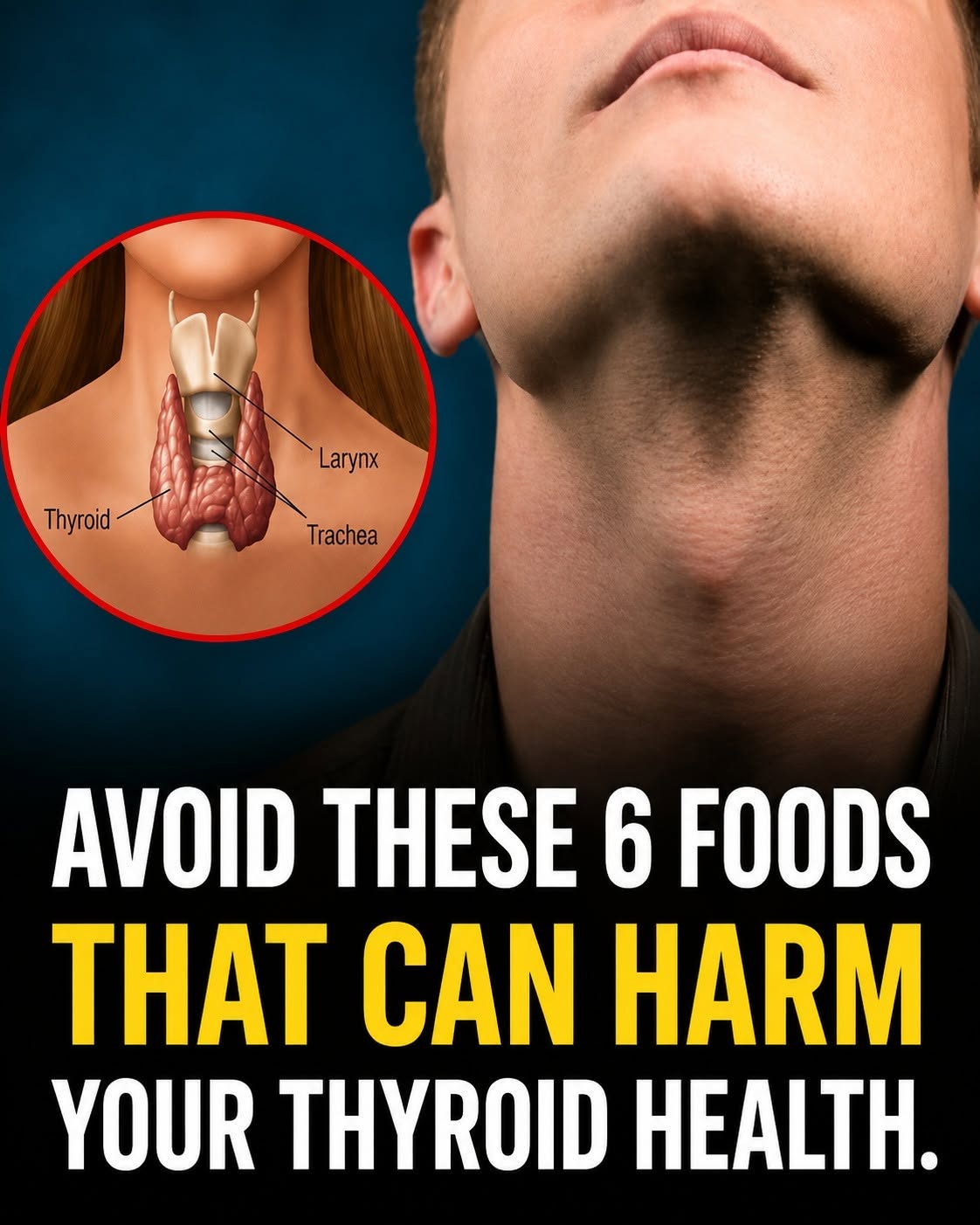
Your thyroid plays a vital role in regulating metabolism, energy levels, body temperature, and hormone balance. While food alone doesn’t cause thyroid disease, certain dietary habits may interfere with thyroid function or treatment.

The thyroid gland is a small, butterfly-shaped organ located in the neck, but it has a major impact on overall health. It produces hormones that help regulate metabolism, heart rate, energy production, and many other bodily functions.

When thyroid function becomes disrupted, people may experience symptoms such as fatigue, weight gain, weight loss, anxiety, sensitivity to temperature changes, dry skin, or changes in heart rhythm. Although diet is not usually the direct cause of thyroid disorders, some foods can influence how the thyroid works and how thyroid medications are absorbed.

1. Highly Processed Foods

One category often discussed by experts is highly processed foods. These products are frequently high in unhealthy fats, added sugars, sodium, and refined carbohydrates.

Excessive consumption may contribute to weight gain, inflammation, and metabolic issues that can make thyroid-related symptoms more difficult to manage.

Rather than eliminating every processed food, the goal should be to build a diet centered around nutrient-dense whole foods and limit heavily processed choices.

2. Soy Products

Another food group that may require attention is soy products, including soy milk, tofu, and soy-based meat alternatives.

Research suggests that soy can interfere with the absorption of thyroid medication in some individuals. Experts generally recommend following medication instructions carefully and separating thyroid medication from foods or supplements that may interfere with its absorption when advised by a healthcare professional.

This does not mean people with thyroid conditions must automatically avoid soy. The timing of medication and the amount of soy consumed are important considerations.

3. Raw Cruciferous Vegetables

People with thyroid conditions are sometimes advised to be mindful of raw cruciferous vegetables, such as broccoli, cabbage, kale, Brussels sprouts, and cauliflower.

These vegetables are highly nutritious and rich in vitamins, minerals, fiber, and antioxidants. However, when consumed in very large amounts raw, they contain compounds sometimes referred to as goitrogens, which may interfere with iodine utilization.

For most people, moderate consumption is not considered a problem, especially when these vegetables are cooked.

But there’s an important distinction between foods that may require moderation and foods that need to be completely eliminated—especially when it comes to thyroid health.

There’s more to discover. Continue to the next page for the rest of this article.