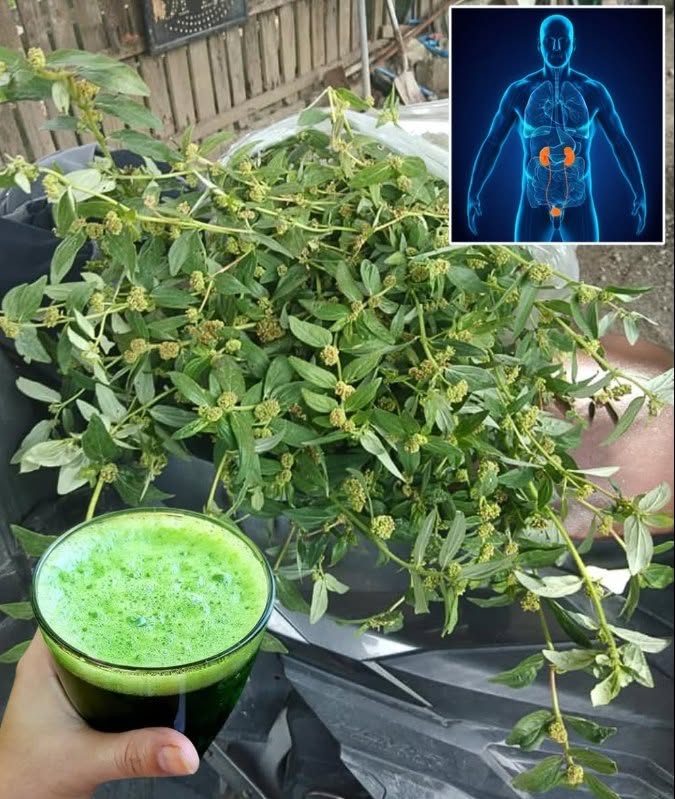
Euphorbia Hirta, commonly known as asthma weed or tawa-tawa, has been cherished for centuries in traditional Ayurvedic and folk practices. Known for its distinct hairy stems, yellow-green flower clusters, and potent botanical compounds, this traditional weed continues to draw attention for its wellness potential. 🌱
If you are curious about how to prepare a traditional herbal infusion or want to understand the science behind this legendary botanical, this comprehensive guide covers everything you need to know.
Ingredients and Preparation Guide
Making a traditional herbal tea or decoction using fresh or dried leaves requires careful preparation to extract its beneficial compounds while maintaining safety. 🍵
Ingredients:
- Fresh or dried whole plant: 10 to 15 grams (leaves and tender stems, thoroughly washed)
- Filtered water: 2 cups (approximately 500 ml)
- Raw honey or lemon juice: 1 teaspoon (optional, for taste natural balancing)
Step-by-Step Preparation Steps:
- Clean the herb thoroughly: Rinse the fresh leaves and stems under cool running water several times to remove any residual soil or debris.
- Simmer gently: Place the washed herb into a non-reactive stainless steel or glass saucepan with 2 cups of filtered water. Bring the water to a gentle boil over medium heat.
- Reduce and steep: Once boiling, lower the heat and let it simmer gently for 10 to 12 minutes until the liquid reduces by half and takes on a light greenish-amber tint.
- Strain and serve: Remove the saucepan from heat and allow it to cool slightly. Strain the liquid through a fine mesh sieve into a cup, discarding the remaining plant solids. Stir in a touch of honey if desired.
The Science Behind Euphorbia Hirta Mechanics
The physiological effects of Euphorbia Hirta stem from its rich phytochemical profile, which includes flavonoids like quercitrin, polyphenols, tannins, phytosterols, and triterpenes. 🔬
Scientific evaluations indicate that these active plant compounds work synergistically to exert antioxidant, mild antimicrobial, and anti-inflammatory effects. The flavonoid quercitrin, in particular, has been studied for its ability to moderate gastrointestinal motility, helping to reduce fluid loss during episodes of digestive upset.
Furthermore, traditional applications for respiratory comfort are supported by plant constituents that promote bronchial smooth muscle relaxation, helping to ease tight airways and facilitate clearer breathing.
Key Benefits of Euphorbia Hirta for Natural Wellness
When used appropriately under professional guidance, this botanical offers several noted wellness applications:
- Respiratory Support: Long prized as a natural expectorant, it helps soothe irritated airways and clear excess bronchial mucus.
- Digestive System Balance: Phytochemical tannins in the leaves help calm the gastrointestinal tract and support normal bowel frequency.
- Fluid Balance and Diuresis: Natural extracts encourage healthy kidney function and mild fluid elimination without drastic electrolyte depletion.
- Skin and Tissue Soothing: Diluted topical washes made from the decoction have traditionally been applied to soothe minor skin irritation and localized inflammation.
There’s more to discover. Continue to the next page for the rest of this article.