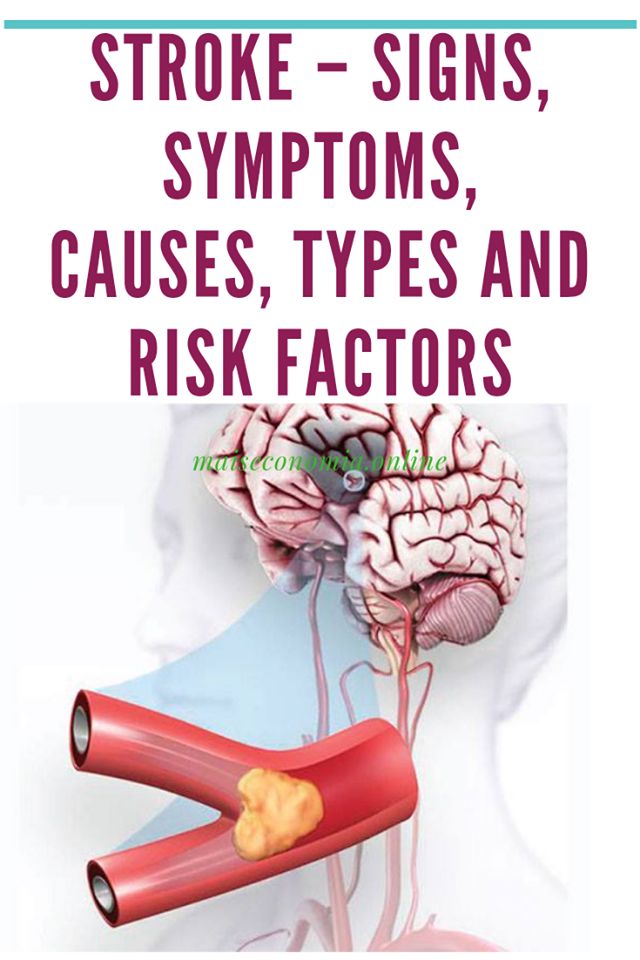
- ischemic and hemorrhagic strokes.
- Atrial fibrillation: This irregular heart rhythm can allow blood clots to form in the heart and travel to the brain.
- Ruptured blood vessels: Weak or damaged blood vessels can rupture and cause bleeding in the brain.
Identifying and treating underlying conditions can significantly reduce stroke risk.
4. Important Risk Factors
Some stroke risk factors cannot be changed, but many can be managed.
Risk Factors You Cannot Change
- Age: Stroke risk generally increases with age.
- Family history: Having close relatives who experienced a stroke may increase your
There’s more to discover. Continue to the next page for the rest of this article.