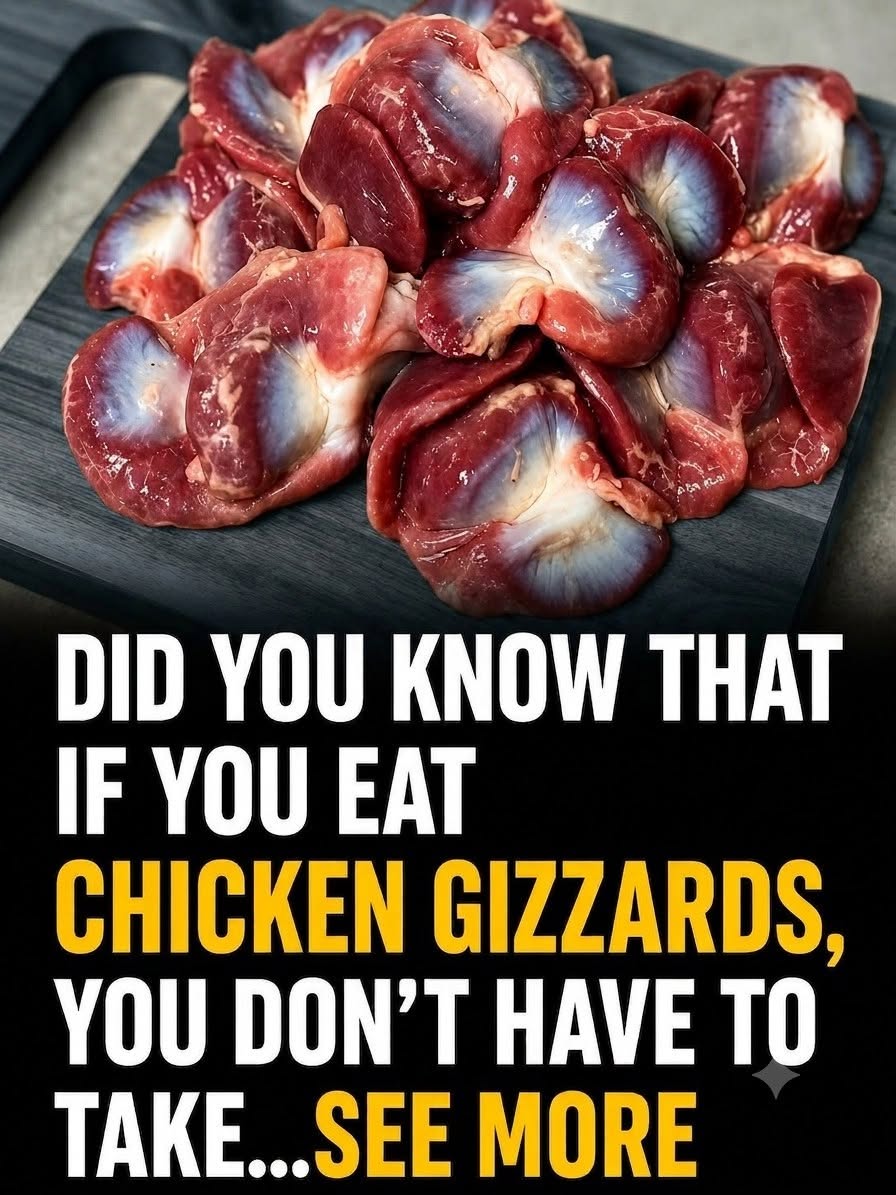
Did You Know That If You Eat Chicken Gizzards, You Don’t Have to Take…See More

What Happens When You Eat Chicken Gizzards? Nutrients, Benefits, and What to Know

Chicken gizzards may not be the first food that comes to mind when you think about healthy eating, but this inexpensive organ meat is surprisingly nutrient-dense. In many cultures, gizzards are enjoyed fried, grilled, stewed, boiled, or added to soups and traditional dishes.

Despite their unusual appearance, chicken gizzards can provide several important nutrients, including high-quality protein, vitamin B12, iron, zinc, selenium, and other micronutrients.

But does eating chicken gizzards mean you no longer need certain supplements? Not necessarily. Their nutritional value is real, but no single food can replace a balanced diet or medically indicated supplementation.

What Exactly Is a Chicken Gizzard?

The gizzard is a specialized muscular part of a chicken’s digestive system.

Unlike the stomach people are familiar with, the gizzard is extremely muscular. Chickens use it to mechanically break down food, helping process grains and other foods they consume.

Because the gizzard is essentially a powerful muscle, it contains a substantial amount of protein and connective tissue.

When properly cleaned and cooked, it can have a firm, chewy texture that many people enjoy.

1. A Protein-Rich Food

One of the biggest nutritional advantages of chicken gizzards is their protein content.

Protein is essential for maintaining and repairing muscles, supporting immune function, producing enzymes and hormones, and maintaining tissues throughout the body.

Including protein-rich foods in meals can also help promote satiety, meaning you may feel satisfied for longer after eating.

For people looking for affordable sources of animal protein, gizzards can be an economical alternative to some more expensive cuts of meat.

2. An Excellent Source of Vitamin B12

Chicken gizzards contain vitamin B12, an essential nutrient involved in red blood cell formation, neurological function, and DNA synthesis.

Vitamin B12 is particularly important because the body cannot produce enough of it on its own.

A deficiency can contribute to problems such as fatigue, weakness, numbness, and certain types of anemia.

Eating foods containing B12 can help contribute to adequate intake, although individual nutritional needs vary.

People with a diagnosed B12 deficiency may still require supplementation or medical treatment depending on the underlying cause.

3. They Provide Iron

Iron is another important nutrient found in organ meats.

Your body needs iron to produce hemoglobin, the protein in red blood cells responsible for carrying oxygen throughout the body.

Iron deficiency can lead to iron-deficiency anemia, which may cause tiredness, weakness, dizziness, headaches, and reduced exercise tolerance.

The iron found in animal foods is generally in a form that the body can absorb relatively efficiently.

However, eating gizzards does not guarantee that someone will avoid iron deficiency. Absorption varies between individuals, and some people have increased iron requirements or medical conditions that affect iron status.

4. Zinc Supports the Immune System

Chicken gizzards also provide zinc, a mineral involved in immune function, wound healing, DNA synthesis, and normal growth and development.

Getting enough zinc through a varied diet helps support normal physiological functions.

However, more zinc is not necessarily better. Excessive zinc intake, particularly from unnecessary supplementation, can cause problems and may interfere with the absorption of other minerals.

Food-first nutrition is generally preferable when adequate dietary intake is possible.

5. Selenium for Normal Body Function

Selenium is another micronutrient present in chicken and other animal foods.

Your body requires selenium in relatively small amounts, but it plays important roles in thyroid hormone metabolism, antioxidant defense, and immune function.

Because selenium requirements are relatively modest, a balanced diet can often provide sufficient amounts.

As with other nutrients, the goal is adequate intake rather than consuming extremely high quantities.

But these nutrients are only part of the story. The way gizzards are prepared can make a surprisingly big difference to the overall meal.

There’s more to discover. Continue to the next page for the rest of this article.