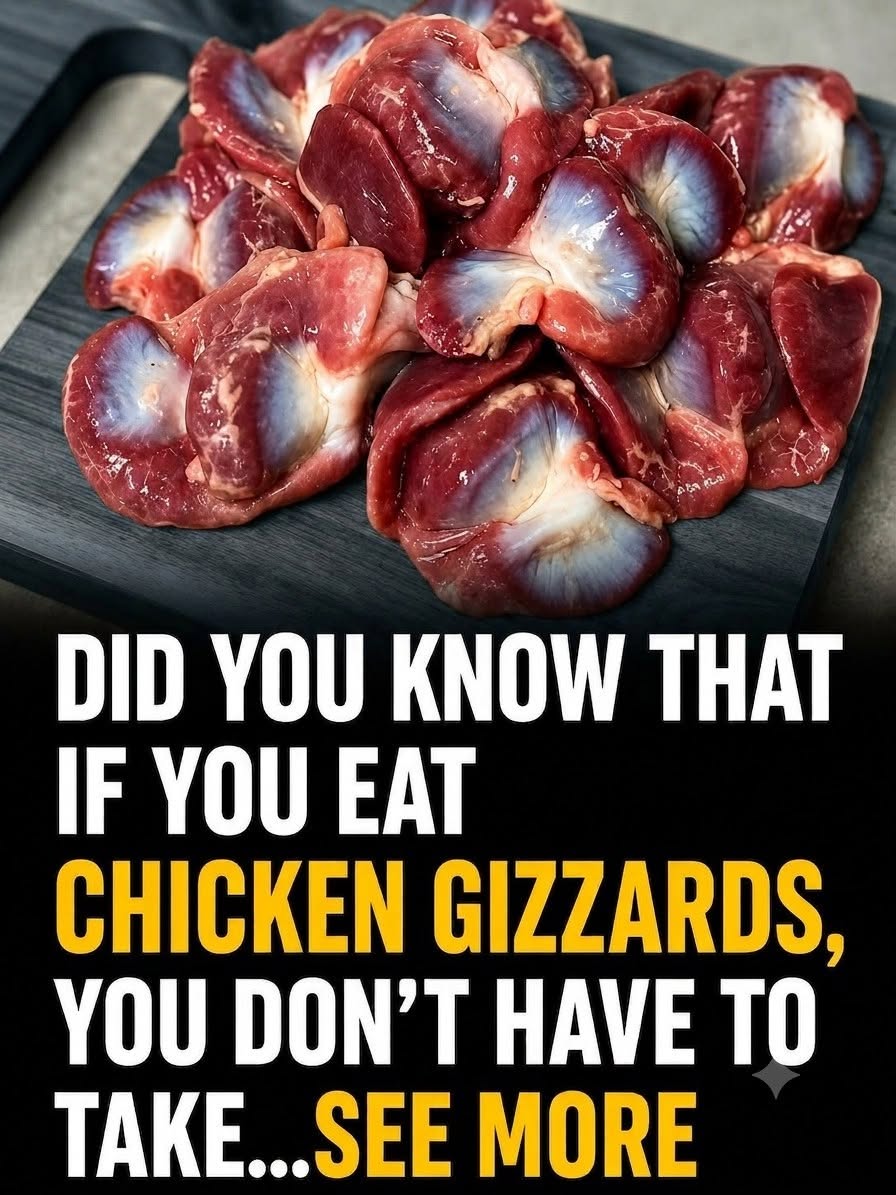
6. Gizzards Can Be Relatively Nutrient-Dense
One reason organ meats are often described as nutrient-dense is that they can provide several vitamins and minerals in a relatively small serving.
Chicken gizzards can contribute nutrients such as:
- Protein
- Vitamin B12
- Iron
- Zinc
- Selenium
- Phosphorus
They can therefore be a useful addition to a varied diet, especially when prepared in a way that does not add excessive amounts of salt or unhealthy fats.
7. They May Support Muscle Maintenance
Because gizzards contain substantial protein, they can fit into a diet designed to support muscle maintenance.
Protein provides amino acids that the body uses to build and repair muscle tissue.
This becomes particularly relevant as people age because maintaining adequate protein intake and engaging in resistance exercise are both important components of preserving muscle mass.
Of course, eating gizzards alone will not build muscle. Overall protein intake, physical activity, sleep, and total nutrition all matter.
8. Preparation Makes a Big Difference
The nutritional value of a food is only part of the story. How you prepare it matters too.
Gizzards are sometimes deep-fried or cooked with large amounts of oil, butter, or salty sauces. These preparation methods can substantially increase the calorie, fat, and sodium content of the meal.
For a more balanced option, consider:
- Slow-cooking or stewing
- Grilling
- Boiling
- Air-frying with limited added oil
- Adding them to vegetable-rich soups or stews
Proper cooking is also essential for food safety.
Raw poultry and organ meats can carry harmful bacteria. Gizzards should be handled carefully, kept refrigerated, and cooked thoroughly to a safe internal temperature.
Can Chicken Gizzards Replace Supplements?
This is where viral health claims often go too far.
You may see claims suggesting that eating chicken gizzards means you will never need vitamins or supplements again.
That is not medically accurate.
Supplements exist for specific situations, such as diagnosed nutrient deficiencies, restricted diets, malabsorption disorders, pregnancy-related needs, or certain medical conditions.
If a healthcare professional has recommended a supplement for you, do not stop taking it simply because you have added gizzards to your diet.
Instead, consider gizzards as one nutrient-rich food within a larger dietary pattern.
Are There Any Downsides?
Chicken gizzards can be nutritious, but they should still be eaten as part of a balanced diet.
People with certain medical conditions may need to pay attention to their intake of specific nutrients. Individuals with conditions affecting iron metabolism, kidney function, or other aspects of nutrition should discuss dietary choices with their healthcare professional.
Portion size also matters.
Eating a varied diet that includes vegetables, fruits, whole grains, legumes, fish, eggs, dairy or alternatives, and other protein sources is generally more beneficial than relying heavily on one food.
So, while chicken gizzards can deliver several valuable nutrients, they are not a nutritional shortcut—and they should never be treated as a replacement for prescribed supplements or medical care.