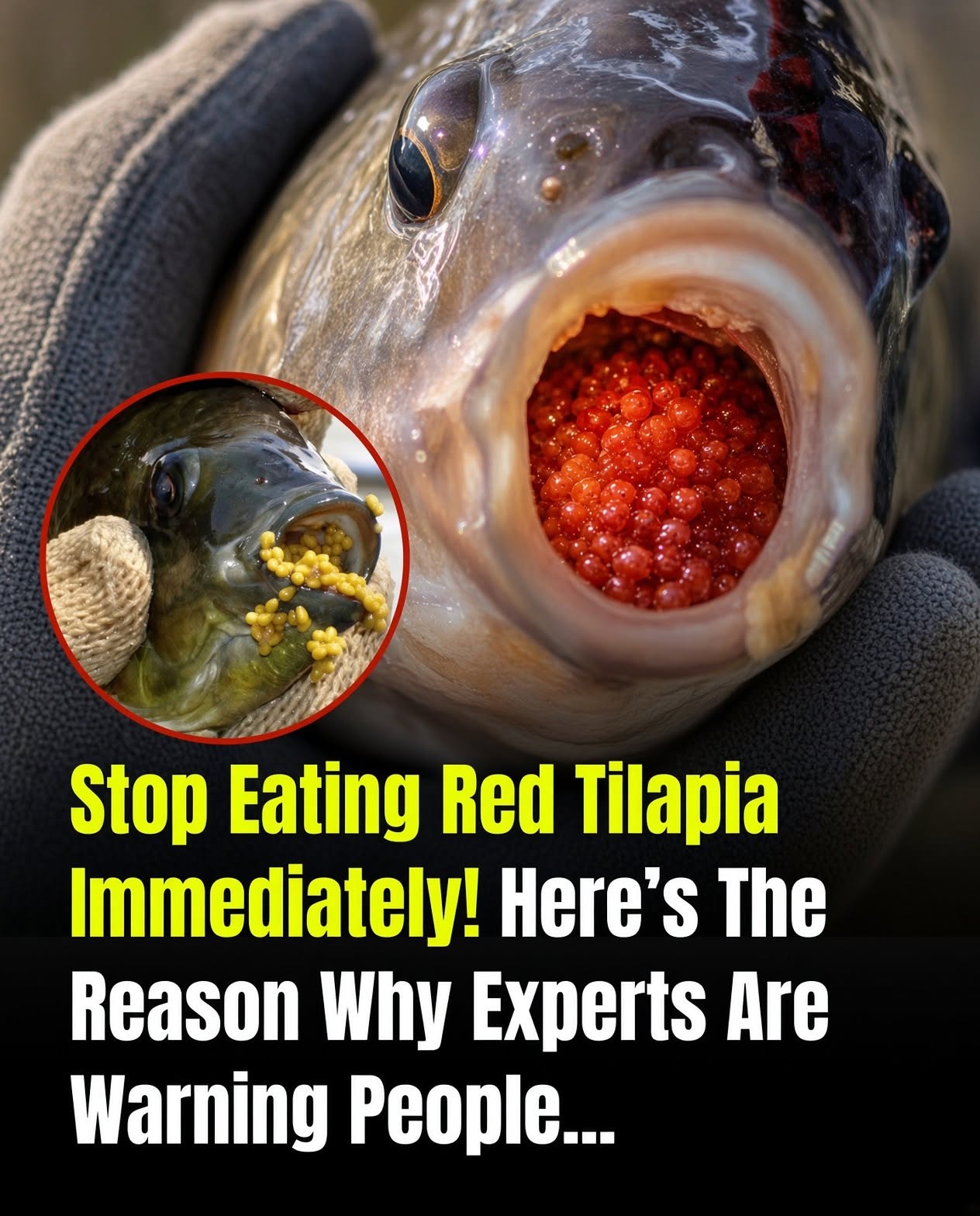
Stop Eating Red Tilapia Immediately? Experts Say the Real Danger May Not Be the Fish Itself
Red tilapia is one of the most commonly consumed fish in many Asian countries because it is:
- affordable,
- easy to cook,
- widely available,
- and a source of protein.
However, rumors and alarming claims online have recently caused concern, with some posts warning people to “stop eating red tilapia immediately.”
So what is really going on?
Food safety concerns are often related not simply to the type of fish, but to factors such as how it is farmed, transported, stored, and prepared before reaching consumers.
Why Some People Are Concerned About Red Tilapia
Tilapia raised in polluted or poorly managed environments may potentially be exposed to:
- contaminated water,
- harmful bacteria,
- certain environmental contaminants,
- or inappropriate chemical use.
In poorly regulated fish farms, unsafe feeding practices and poor water conditions may increase food safety concerns, particularly when contamination is present.
Improperly handled seafood in general may also carry risks related to:
- parasites,
- bacterial contamination,
- or residues from substances used during production.
However, these concerns are not unique to red tilapia alone and can apply to different types of seafood when food safety standards are not properly followed.
Social Media Claims Often Exaggerate the Danger
Viral posts online have claimed that red tilapia is “toxic,” “full of parasites,” or “one of the dirtiest fish in the world.”
Such broad claims can be misleading. The safety of fish depends on factors including its source, farming conditions, handling, storage, and preparation.
When obtained from reliable suppliers and handled and cooked safely, tilapia can provide nutrients such as:
- lean protein,
- some omega fatty acids,
- vitamin B12,
- selenium,
- and other important minerals.
The main concern is often related to:
- poor farming conditions,
- improper storage,
- spoiled fish,
- or unsafe preparation methods.
Knowing what to look for before buying and cooking fish can make a significant difference in reducing avoidable food safety risks.
There’s more to discover. Continue to the next page for the rest of this article.