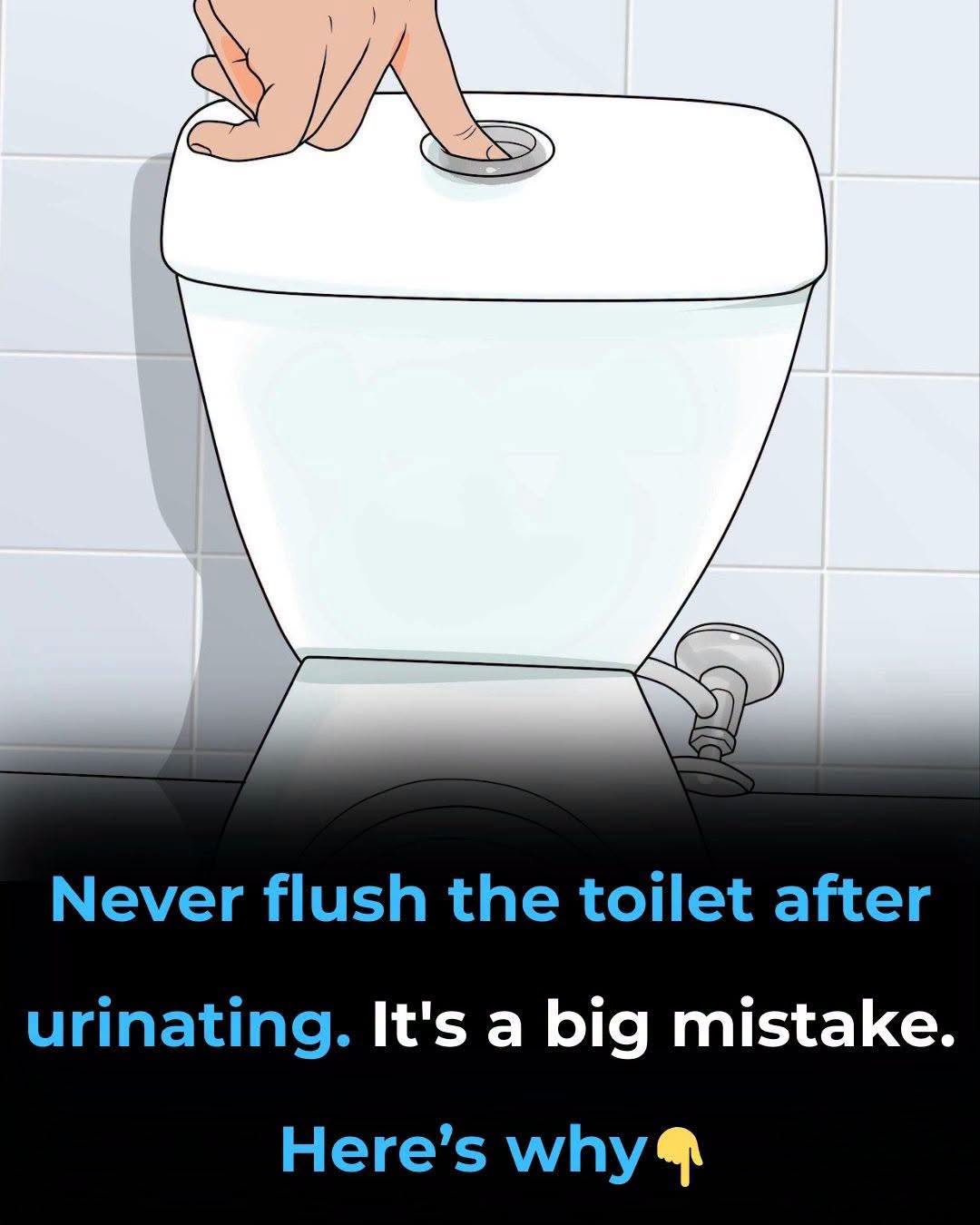
Why It’s So Important Not to Flush the Toilet After Every Trip
Flushing the toilet is something most people do without thinking. It feels automatic—use it, flush it, and move on. But when you look more closely, especially in the case of urine alone, this habit can have a surprisingly large impact on water use.
Every toilet flush uses clean, treated water. Depending on the type and age of the toilet, a flush may use several liters of water. That means a quick bathroom trip can send a considerable amount of usable water into the sewage system.
When multiplied by daily use, the numbers can become much bigger. A typical household may flush many times a day, adding up to thousands of liters of water over the course of a year. Across millions of homes, the total amount of water used for flushing becomes substantial.
At the same time, many parts of the world face water shortages or increasing pressure on water supplies. This raises an important question about how efficiently we use a resource that is becoming increasingly valuable.
Flushing Only When Necessary
One commonly suggested water-saving approach is to avoid unnecessary flushing, particularly after urinating when it is practical and hygienic to do so. Some households follow the idea commonly expressed as “if it’s yellow, let it mellow” to reduce water use.
However, hygiene and comfort are important considerations. Urine is not always sterile, and leaving waste in a toilet for extended periods may contribute to odors or bacterial growth. Households that choose to reduce flushing should maintain regular cleaning and good bathroom ventilation.
There are also simple changes that can reduce water use without requiring anyone to give up regular flushing entirely.
There’s more to discover. Continue to the next page for the rest of this article.