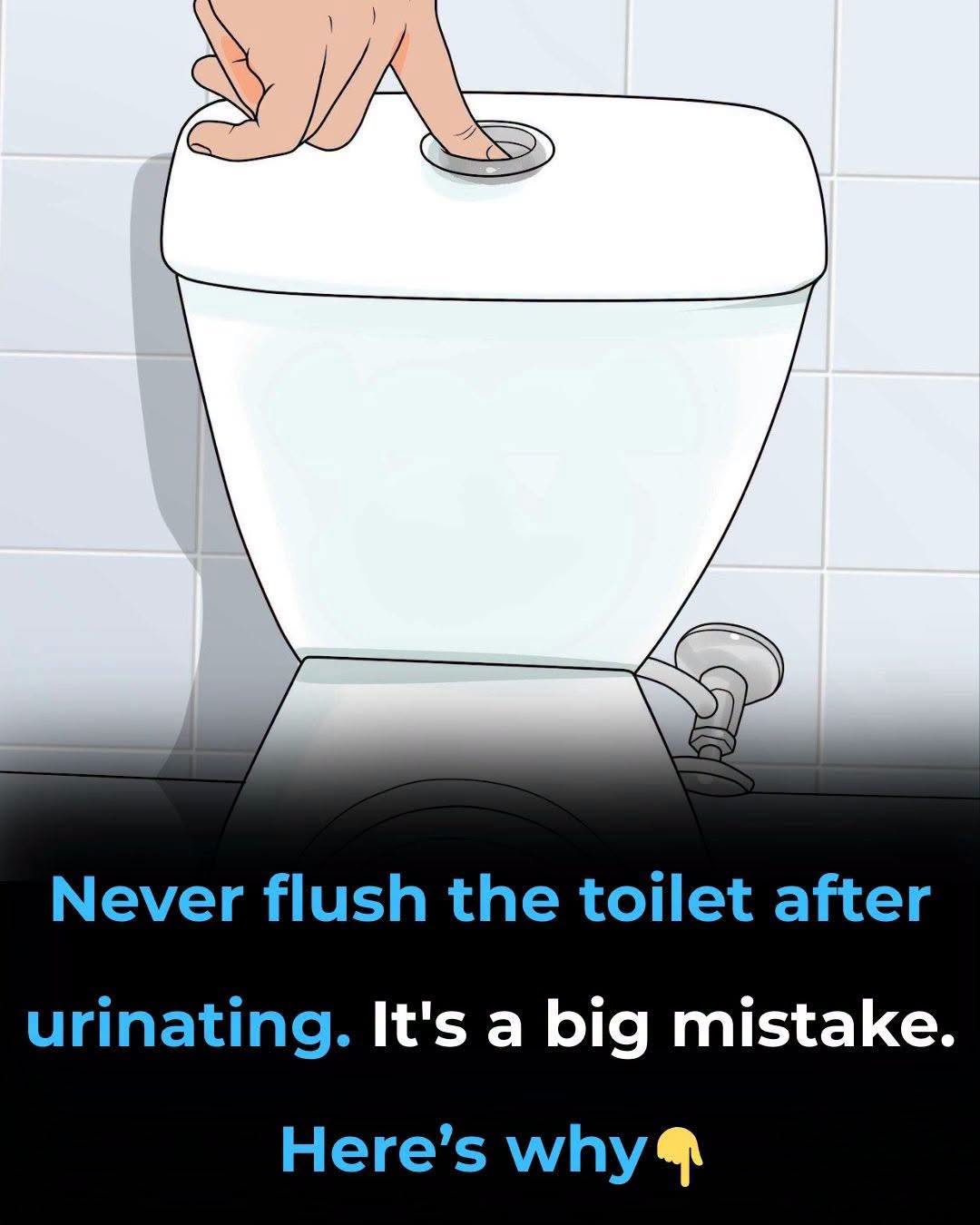
Modern Toilets Can Help Save Water
Another practical solution is improving toilet technology. Dual-flush systems, for example, provide a smaller flush for liquid waste and a larger flush for solid waste, which can reduce water consumption over time.
Modern low-flow toilets are also designed to use less water than many older models while still providing effective flushing performance.
Other water-saving habits can include checking toilets for leaks, which may waste large amounts of water without being immediately noticeable, and choosing efficient fixtures when replacing older bathroom equipment.
Small Habits Can Add Up
The goal is not necessarily to stop flushing altogether, but to become more aware of how everyday habits affect water consumption.
In areas where water is scarce or expensive, reducing unnecessary water use can be especially valuable. Even small changes in daily routines may contribute to meaningful savings when adopted consistently and by large numbers of households.
The Bottom Line
Toilet flushing is an important part of sanitation, but it also requires a significant amount of treated water. Using water more efficiently, maintaining good hygiene, and considering water-saving toilet technology can help reduce unnecessary waste.
By paying attention to small everyday habits, households can take practical steps toward more responsible water use and help conserve an important natural resource for the future.
There’s more to discover. Continue to the next page for the rest of this article.